Background:
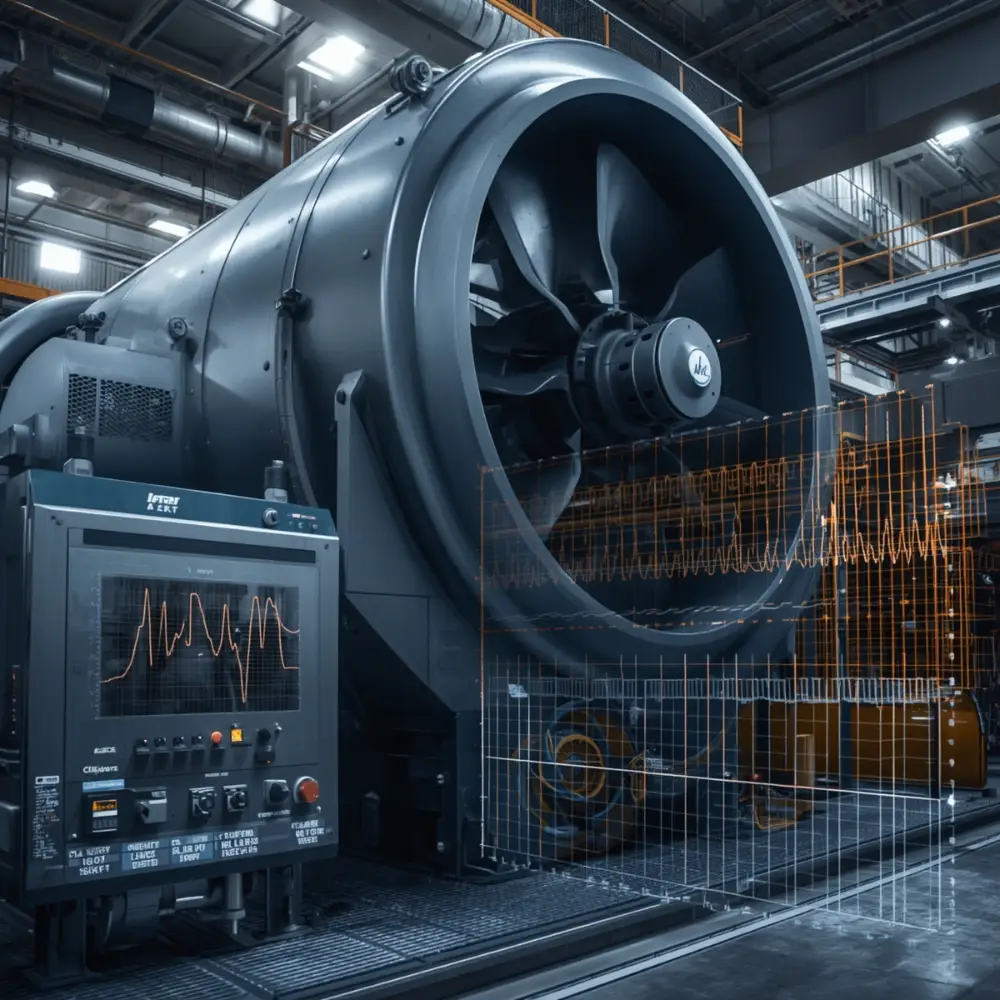
ALPSMSI was approached by one of the largest plastic plants in Mindanao, operating an extruder with a 45kW, 4 poles IE1 motor. The motor was controlled by an Eddy Current Motor and was pulley-driven with a ratio of 2. The gearbox ratio was 1300:600, drawing an actual power of 25.2 KW at an extruder speed of 600 rpm. Before we proceed, below is a general breakdown of induction motor losses:

Core Losses (15-25%): These losses occur in the magnetic core of the motor due to hysteresis and eddy currents. They typically account for about 15-25% of the total losses.
Stator Winding Losses (25-40%): Also known as copper losses, these occur in the stator windings due to electrical resistance. They usually account for about 25-40% of the total losses.
Rotor Winding Losses (15-25%): These are also known as slip losses and occur due to resistance in the rotor bars and end rings. They typically account for about 15-25% of the total losses. Synchronous Reluctance Motor (SynRM) and those with permanent magnet rotors, such as RPM AC and EC Titanium motor have Zero Rotor losses. Hence, reducing the speed to <50% of its rated speed motor body temperature is still within the normal range.
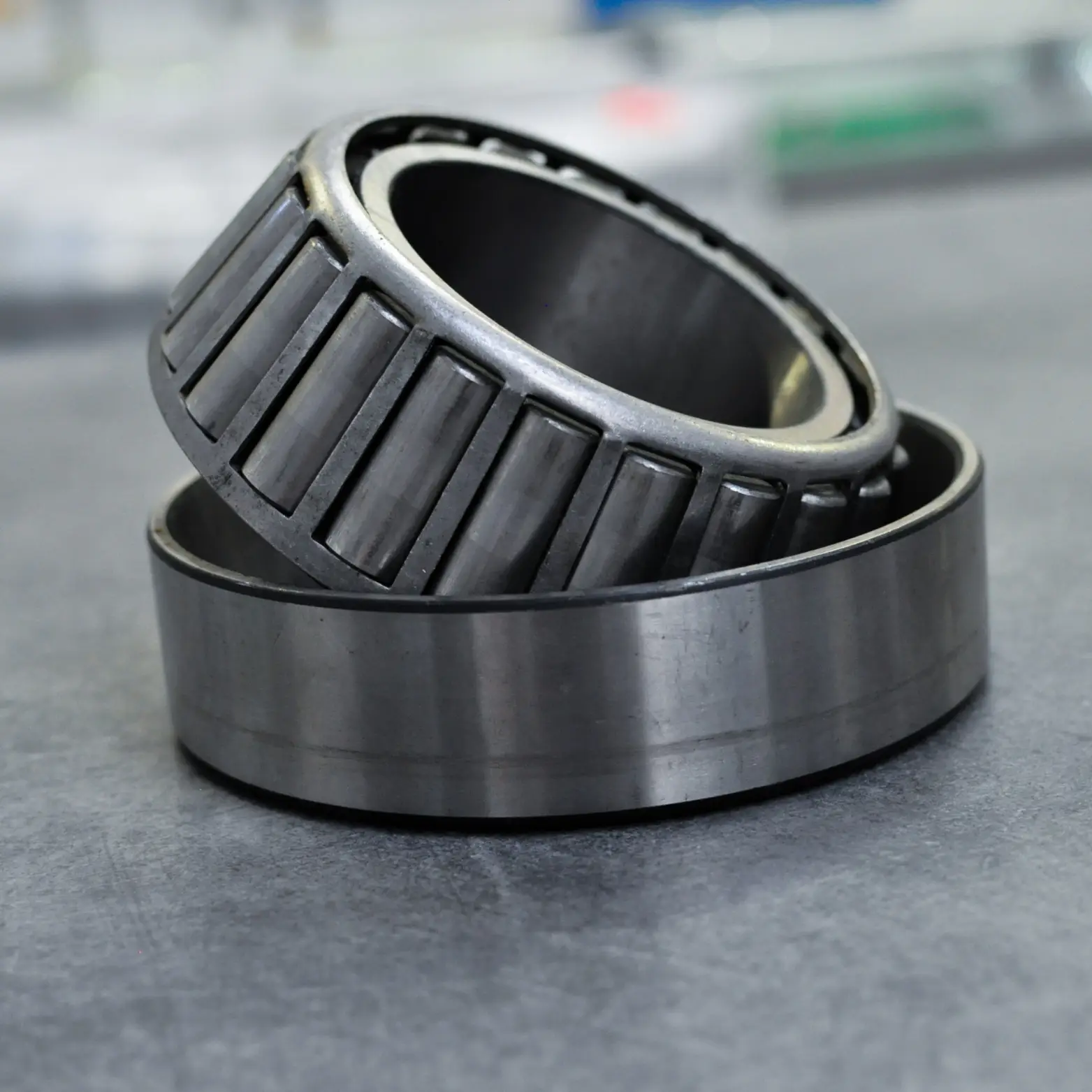
Friction and Windage Losses (5-10%): These are due to friction in the motor bearings and air resistance on the rotating parts. They are generally quite small compared to other losses, accounting for about 5-10%. For squirrel cage induction motors, reducing its speed through variable frequency drive > 50% will increase these losses and will definitely result to burn motor winding.
Stray Load Losses (10-15%): These are additional losses that occur under load conditions and are not accounted for in the no-load test of a motor. They typically account for about 10-15% of the total losses. Typical examples are vibrations that exceeds the limits.