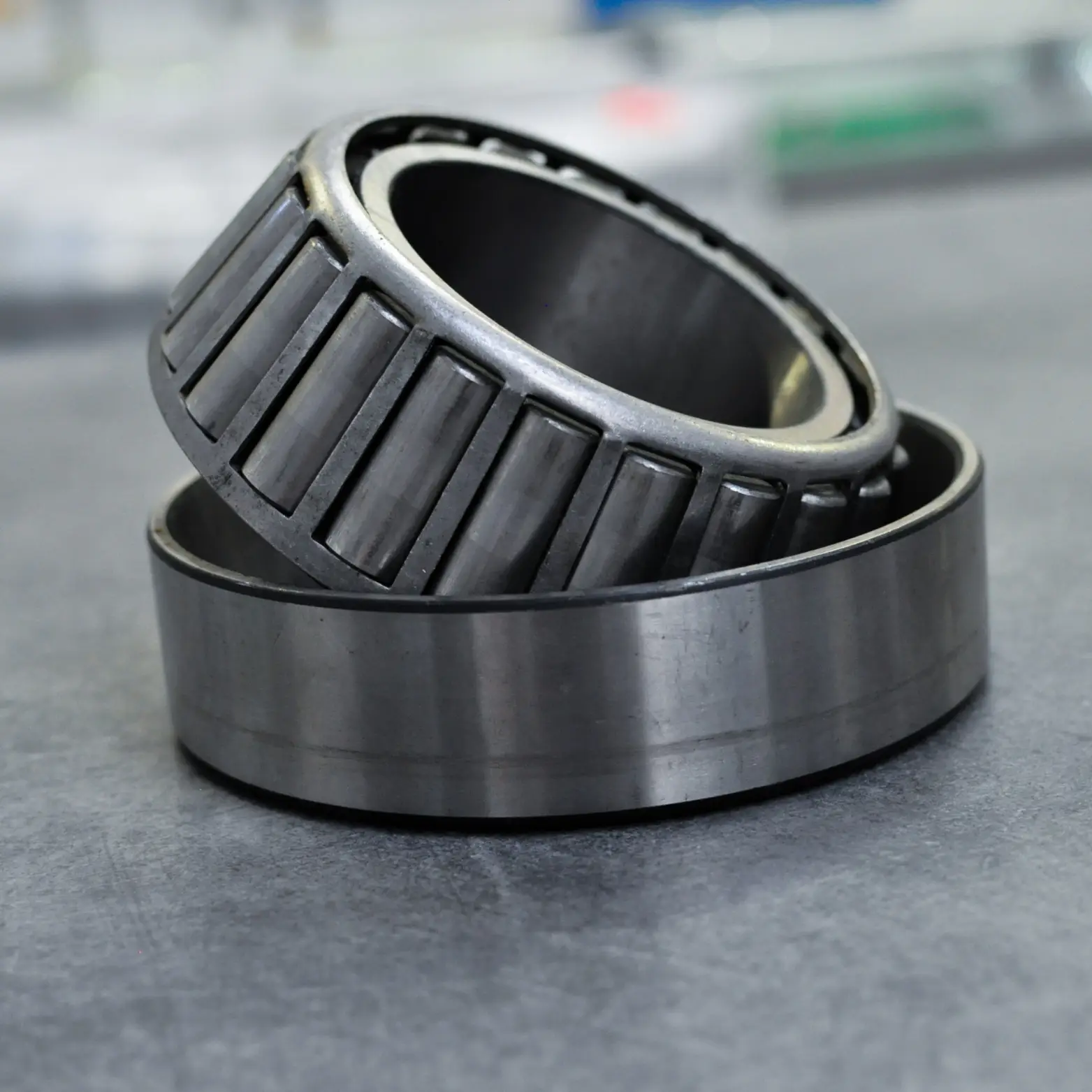
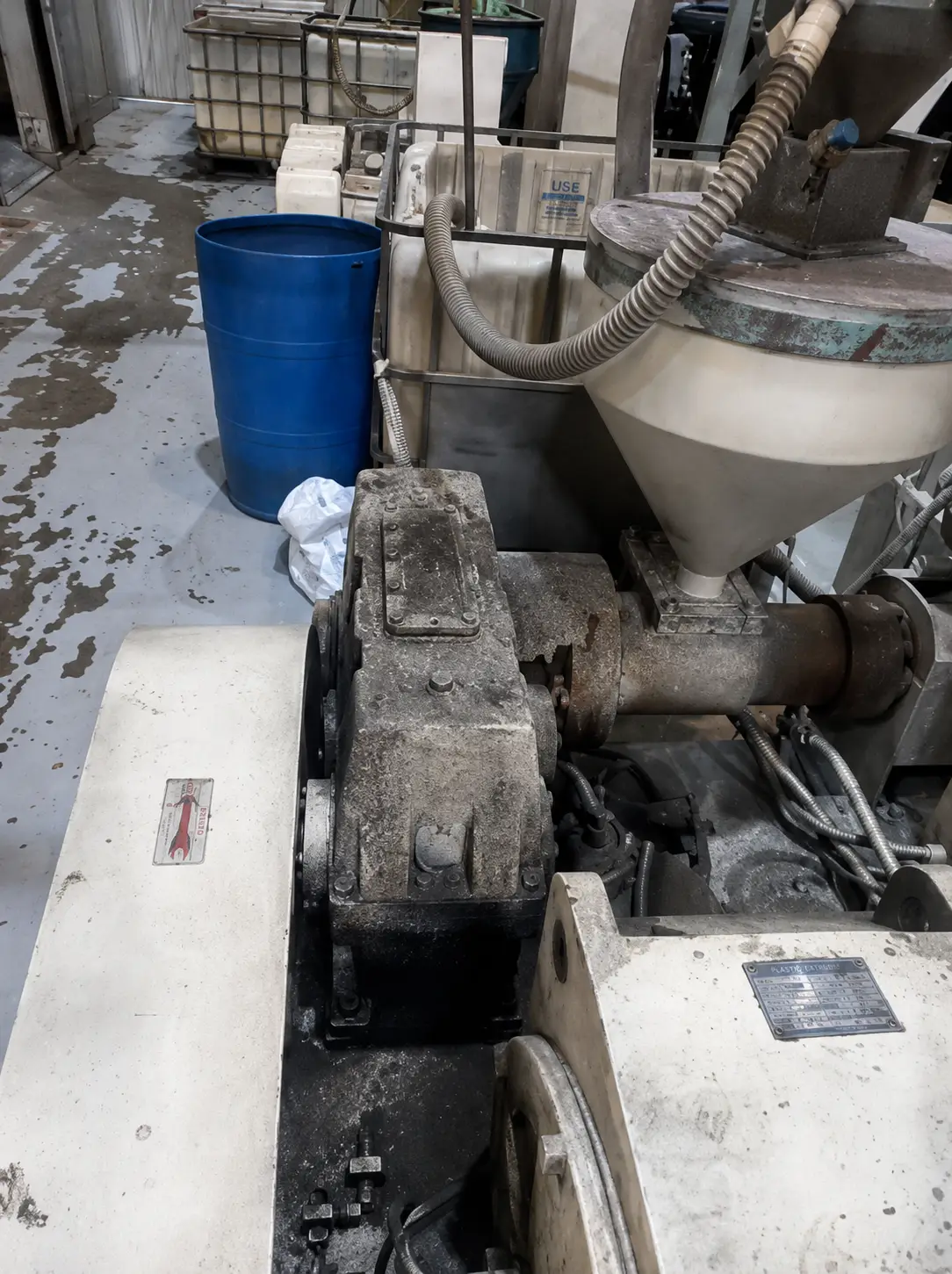
A 110 kW induced draft fan motor, 460 volts, three-phase, four-pole, was assessed and found to have a stator fault and bearing defects. The findings were documented. Ten months later, with no intervention, the stator windings burned out catastrophically.
Read that again, because both halves matter. The diagnosis was correct. And the motor still failed. The gap between knowing and acting is where the real damage lives, and part of what was wrong with that motor, the stator fault, is exactly the kind of problem vibration analysis can struggle to see in time.
Where vibration has blind spots
Vibration analysis is a mechanical measurement, and it is excellent at mechanical faults. But a motor fails electrically as well as mechanically, and several of those electrical problems are quiet in the vibration spectrum until they are already advanced:
- Broken or cracked rotor bars
- Stator winding faults and insulation breakdown
- Air-gap eccentricity
- Supply problems, voltage imbalance, harmonics, that quietly cook a motor over time
There is a second, more practical blind spot. To take a vibration reading you have to physically reach the machine and mount a sensor. Plenty of critical motors sit at the top of a structure, inside an enclosure, or in a hazardous area where routine access is slow, expensive, or simply unsafe. The machines that are hardest to monitor are often the ones you can least afford to lose.
What electrical signature analysis measures
Electrical signature analysis (ESA), and its motor-current variant MCSA, takes a different route. Instead of sensors on the machine, it reads the motor’s own current and voltage. The motor becomes its own sensor.
The principle is that faults modulate the electrical signal in characteristic ways. A cracked rotor bar shows up as sidebands around the line frequency, spaced at the pole-pass frequency. Eccentricity, winding faults and supply imbalance each leave their own electrical fingerprint. Because the current also reflects what the motor is driving, ESA can even surface process-side problems such as cavitation or clogging in the driven equipment.
Artesis e-MCM: monitoring without touching the machine
ALPS MSI deploys electrical signature analysis through Artesis e-MCM, and the way it installs is the point. e-MCM is sensorless, it connects in the motor control centre or control panel, not on the machine itself. That means you can monitor a motor at the top of a stack, inside an enclosure, or in a hazardous area without ever putting a technician next to it.
Behind that, e-MCM builds a model of the motor’s normal behaviour and watches for deviation, rather than waiting for a fault to cross a fixed alarm threshold. According to the system’s design, it detects mechanical, electrical and process-related faults up to six months before they cause disruption. It runs on-premises or through cloud monitoring, under OPEX or CAPEX models, so it fits both how your plant is wired and how your finance team prefers to buy.
Six months of warning is a different kind of number than most maintenance tools offer. It is the difference between scheduling a rotor repair into next quarter’s planned outage and finding out about it when the line stops.
ESA and vibration: not either/or
This is not a case for replacing vibration analysis. The two methods are complementary. Vibration gives you fine mechanical detail on bearings, alignment and balance. ESA gives you the electrical faults, the hard-to-reach machines, and continuous coverage from the control panel. The strongest condition-monitoring programs use both, plus infrared thermography, so that each asset is watched through the lens that suits it best.
Closing the ten-month gap
Come back to that induced draft fan motor. The assessment did its job, it found the stator fault and the bearing defects. What was missing was a system that kept watching and forced the issue before the windings let go ten months later. Detection is step one. The value is in continuous monitoring tied to a clear action trigger, so a correct diagnosis turns into a completed repair instead of a delayed burnout.
How ALPS approaches it
Electrical signature analysis sits inside ALPS MSI’s Condition Monitoring service, part of the wider Energy and Asset Health Management offering. We deploy Artesis e-MCM on the motors you can’t easily reach or can’t afford to lose, and combine it with vibration analysis and infrared thermography where a fuller picture is needed.
Got a critical motor you can’t safely reach? That’s exactly what e-MCM is built for. Book a free plant assessment.